Lake Atitlan, Guatemala: A Complete Travel Guide
|
Published: October 13, 2026
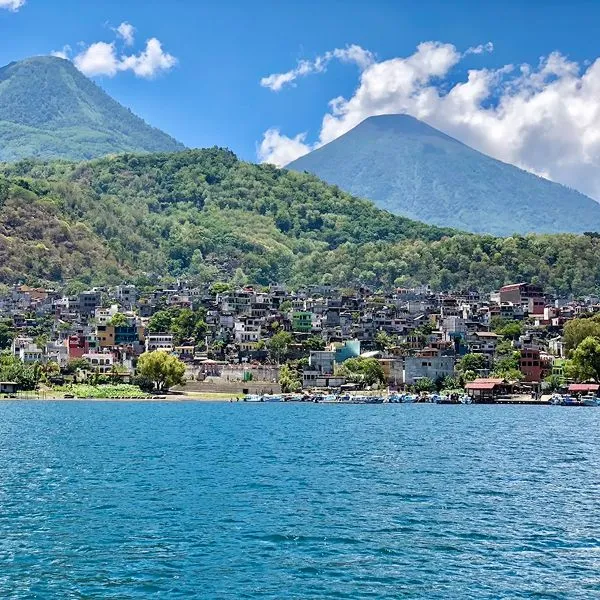
A lake surrounded by towering volcanoes, colorful Maya villages, traditional textiles, and a misty landscape, Lake Atitlan, Guatemala, is one dreamy destination where you can enjoy the journey more than the destination itself.
The combination of natural scenery with living Maya culture offers a unique experience of the Guatemalan highlands.
With several villages sitting on its shores, the lake offers different experiences ranging from crafts, coffee, hiking, swimming, yoga, and local food.
Here is the guide to help you plan your trip to Lake Atitlan, Guatemala, explaining its history, location, how to reach there, things to do, hiking trails, where to stay, and a suggested itinerary for 5 days.
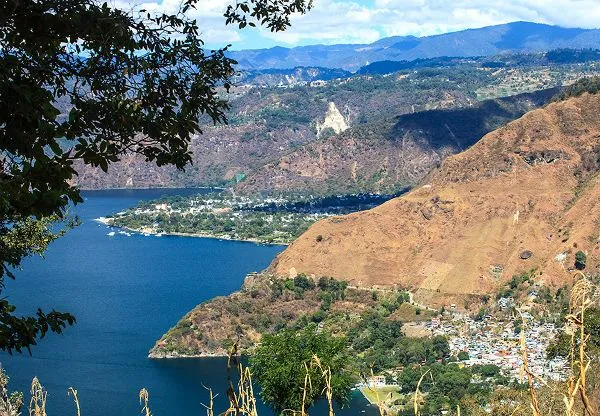
Lake Atitlan is famous for its breathtaking natural beauty, surrounded by towering volcanoes, colorful Maya villages, traditional textiles, and misty mountain landscapes.
The lake is known for its clear blue water and stunning mountain scenery that attracts travelers across the world looking for nature, culture, adventure, and relaxation.
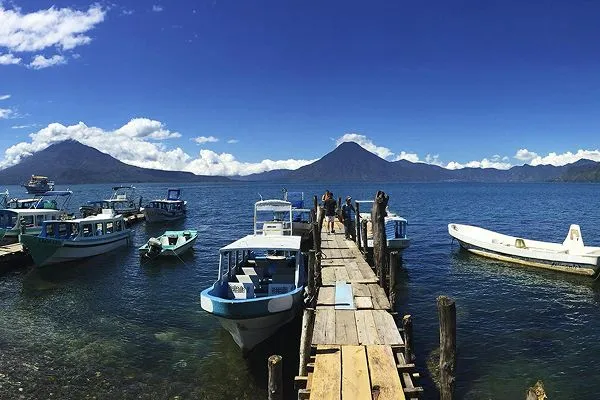
Still, the major attraction in Lake Atitlán is always the volcanic landscape; it is surrounded by three major volcanoes: Volcán San Pedro, Volcán Tolimán, and Volcán Atitlán.
With a dramatic water backdrop, Lake Atitlán is considered to be particularly popular for hiking, photography, and sightseeing.
Another factor that adds to the popularity of Lake Atitlán is its Indigenous Maya communities and living cultural traditions. The villages situated around the lake add charm and character to the place through traditions and local crafts.
Places like Santiago Atitlán, San Juan La Laguna, and Santa Catarina Palopó are known for traditional textiles, colorful clothing, handicrafts, artwork, and local markets. Visitors can explore the Maya culture through community visits, workshops, local food, and traditional festivals.
Lake Atitlan has a deep geological and cultural history. It was formed within a large volcanic basin created by a massive eruption thousands of years ago.
Over a period of years, water-filled basins form deep lakes surrounded by volcanic mountains and peaks. The dramatic landscape plays an important role in the identity and traditions of the communities living on the shores.
The cultural heritage is one of the most important aspects of Lake Atitlán. Before and after the arrival of the Spanish, the area was home to Maya communities. The place was run on their own political systems, languages, agricultural practices, and religious traditions.
But during the Spanish conquest of Guatemala in the 16th century, the communities around the lake went through major social and religious changes. Spanish colonial influence introduced Christianity and new political and economic systems, while major indigenous traditions are still followed.
In the present day, villages around Atitlán Lake practice Christianity along with Maya culture and beliefs. Therefore, the local celebrations and festivals combine Catholic traditions and indigenous customs.
The history and culture of Lake Atitlan are not part of the past; instead, history, living traditions, and natural environment make the place culturally vibrant and naturally beautiful.
Lake Atitlán is located in Guatemala’s western highlands, in the department of Sololá.
The lake sits at approximately 1,600 meters above sea level and covers around 18 square kilometers. It has three major volcanoes, Atitlán, Tolimán, and San Pedro, rising around it.
Panajachel is the main gateway to the lake and is primarily used as a starting point to explore the surrounding villages.
The main geographical characteristics of Lake Atitlán:
| Country | Guatemala |
| Region | Guatemalan Highlands |
| Department | Sololá |
| Main gateway | Panajachel |
| Elevation | About 1,600 m |
| Major volcanoes | Atitlán, Tolimán, San Pedro |
| Main experiences | Villages, hiking, boating, culture, food |
Panajachel is the easiest entry point to Lake Atitlán. Here is how to reach Lake Atitlán through different points.
From Guatemala City
Visitors can travel from Guatemala City towards the lake by road. The route generally uses the Pan-American Highway before connecting towards Sololá and Panajachel.
Panajachel is considered to be the most important tourism center and starting point to explore nearby towns.
The transport options to travel from there are
From Antigua, Guatemala
Travelers can use a tourist shuttle or private transfer from Antigua to Panajachel. Once you reach the lake, boats can take you to lakeside villages.
Exploring Lake Atitlan
One of the most enjoyable ways to explore the lake is by boat. Both public and private boats connect different lakeside communities, making it convenient to explore multiple villages without returning to the starting point, Panajachel, each time.
Important Note: Check boat schedules locally because the services can vary depending on weather and conditions of the lake.
The dry season runs from November to April and thus is the most preferred and comfortable season for tourists to explore the lake.
Due to less rain and convenient weather, tourists can take part in activities like hiking and sightseeing.
Though the wetter months can cause clouds and rain, the landscape also looks lush and green.
Which season to choose from:
| Season | What to Expect |
| November–April | Generally drier and good for sightseeing |
| May–October | Wetter, greener landscapes and more rain |
| December–February | Popular period with cooler highland conditions |
| March–April | Generally warm and suitable for outdoor activities |
One of the best ways to explore and experience the beauty of Lake Atitlan is to visit the lakeside villages. Every village has its own character, traditions, and scenery.
Visitors can hire a boat to travel between different villages located on different sides of the lake.
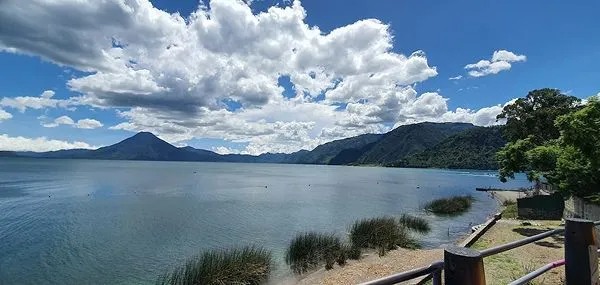
It is the main gateway to Lake Atitlán, with numerous hotels, restaurants, shops, and local markets. The town is located beside the lake, with mountains and volcanoes rising in the background. You can then take a boat from there to other villages.
Panajachel is considered to be the largest and busiest town around Lake Atitlán. With the longest history as a trading town, people from nearby villages come here to sell food, clothing, crafts, and other goods. Even today, people can visit the local markets and buy traditional Guatemalan products.
Best for: First-time visitors, convenience, shopping, and lake access.
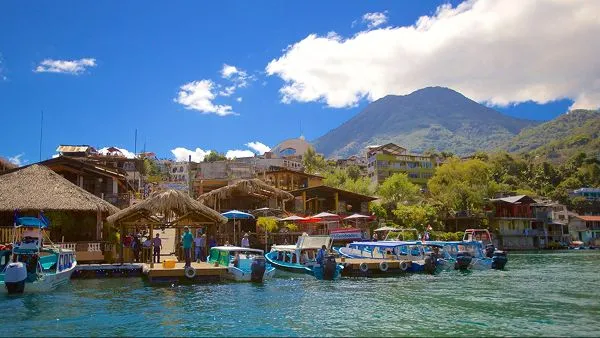
San Pedro La Laguna is a lively village on the western side of the lake. It is home to the popular Tz’utujil Maya, and local culture is an important part of the day-to-day life of this town.
You can check out traditional clothing, local artwork, small markets, and handmade crafts around the town.
San Pedro is also known for its farming traditions. Coffee, corn, beans, and other crops are grown in this area, and tourists can learn about how coffee is grown and prepared.
The village lies at the foot of Volcán San Pedro, one of the main volcanoes around the lake. The volcano creates a beautiful background for pictures and sightseeing.
The lakefront is a relaxing place to watch boats, enjoy the scenery, or enjoy activities like kayaking and swimming.
Best For: Adventure, nightlife, budget travel, and hiking.
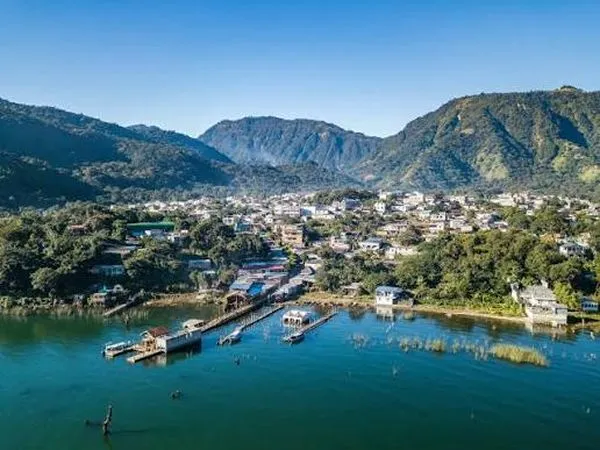
San Juan La Laguna is one of the best villages to visit if you want to witness and learn about Maya culture and local art. The village is home to a large Tz’utujil Maya community, and many local families continue the traditional crafts and farming.
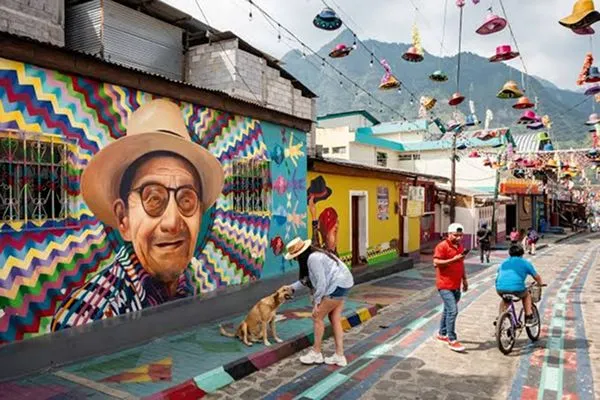
This town is known for providing colorful paintings, murals, weavings, and other handmade products. Local women often work in weaving cooperatives where they traditionally make clothing and textiles for trading. Craftsmen use natural colors made from plants and other local materials to dye the fabric.
Outside the village, there are green hills and coffee plantations, offering beautiful views alongside the hills.
Best For: Art, textiles, culture, and shopping.
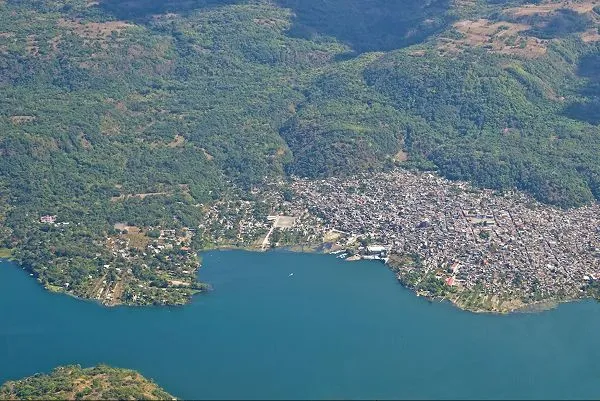
Santiago Atitlán is another major and most traditional community around the lake. It is mainly a Tz’utujil Maya town and has a strong cultural identity.
Traditional clothing, local art, markets, and religious traditions are part and parcel of the regular life here.
The town is known for its handmade textiles, paintings, woodcarvings, and other local crafts. Visitors can learn and explore the ways Maya tradition and Catholic beliefs have been interconnected for many years.
Maximón is the famous cultural tradition of this town. It is a revered Maya deity and folk saint in the Guatemalan Highlands. Visitors are advised to approach religious places and ceremonies with respect, as they are crucial for living culture.
Santiago also has a beautiful location between the lake and surrounding volcanoes. The town has a busy market and narrow streets that provide a very different feeling from other quieter villages around the lake.
Best For: Culture, history, textiles, and local traditions.
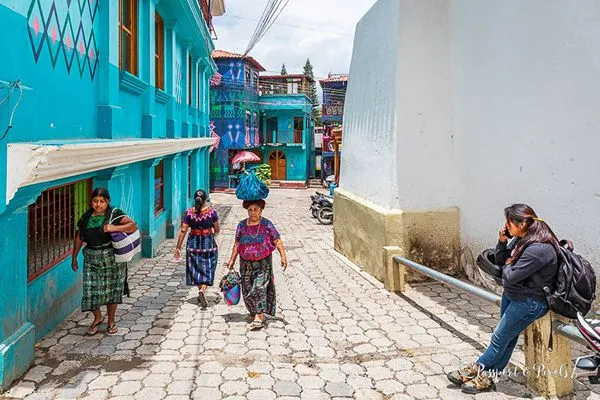
Santa Catarina Palopó is a small village situated on the eastern shore of Lake Atitlán. It is a Kaqchikel Maya community, known for its clothing and handmade items.
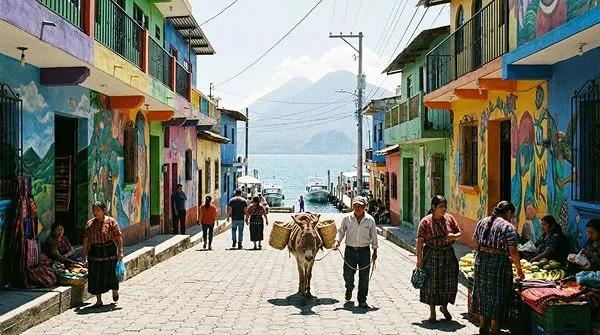
The village’s bright colors are inspired by Maya culture, giving the town a unique appearance while celebrating its local identity.
Weaving and pottery are important local crafts. Visitors can find handmade bags, clothing, fabrics, and other products made by local artists. Buying products from these local artisans is a great way to support families and the community.
The place is small and can be explored on foot. Visitors can take a walk around the steep hillside beside the lake and enjoy the wonderful views of the water and surrounding mountains.
Best For: Photography, crafts, and a short cultural visit.
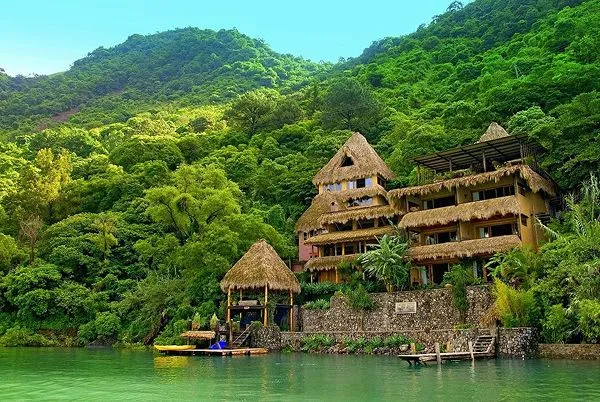
Santa Cruz La Laguna is a small and peaceful village on the northern shore of the lake. It is not similar to the larger towns such as Panajachel and thus offers a relaxed atmosphere.
The village is built on a steep hillside, with houses and paths leading directly to the deep waters. The hillside is covered with trees, plants, and small farms.
The daily life of this town is highly influenced by the presence of the lake. Visitors can enjoy activities like swimming, kayaking, or paddleboarding, or simply relax by sitting beside the water and enjoying the scenery. Also, the hiking trails in the hills make this town even more popular among tourists looking for some adventure.
Best For: Relaxation, views, and lakeside stays.
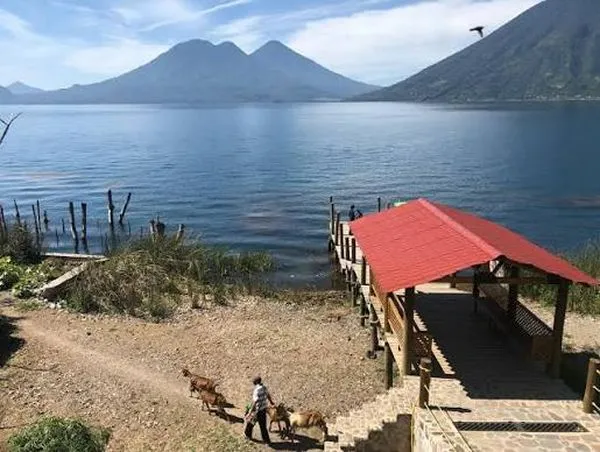
San Marcos La Laguna is highly popular for its peaceful atmosphere and beautiful natural surroundings. It is comparatively a smaller village and has become popular among travelers looking for relaxation and outdoor activities.
The village is a mix of local Maya traditions and international influences. People can check out small cafés, restaurants, wellness centers, and places offering yoga and meditation.
San Marcos is surrounded by green hills and tropical plants. The lakefront has clear water, considered perfect for swimming.
It is a perfect place to spend a slow afternoon, enjoy the lake, walk through quieter paths, and watch the sunset over the tranquil mountain views.
Best For: Wellness, yoga, and slow travel.
Once you arrive at Lake Atitlan, here are a few experiences that you must not miss. So, add these things to your itinerary:
Taking a boat ride across the lake is one of the best ways to explore and enjoy beautiful views. The area allows you to experience nature, Maya culture, traditional villages, and everyday local life around the lake.
You can take a boat from one village to another and spend a few hours at each place.
Walk through the local villages, visit workshops, and learn about their traditional crafts.
Visit San Juan Laguna for textiles, murals, and local artwork. Check Santiago Atitlán to learn about Tz’utujil Maya traditions.
Then, go to Santa Catarina Palopó for its colorful buildings and handmade crafts. Explore San Marcos, La Laguna to relax around the lake.
You can’t visit every village in one day, so choose two or three villages to explore for an enjoyable day.
Purchase locally produced textiles, clothing, bags, artwork, and handicrafts. Local markets are a great place to see everyday life around the lake.
You can buy fresh fruit, vegetables, spices, clothing, handmade crafts, and more.
Coffee grows quite well in the volcanic slopes of Lake Atitlán. Several communities allow visitors to learn about the process of growing and harvesting the coffee beans, from roasting to preparing them.
A coffee tour is a great way to spend a few hours away from the lake and learn about an important part of local agriculture.
The lake’s scenery makes water activities enjoyable when weather and conditions are suitable. The calm waters of Lake Atitlán are ideal for kayaking and paddleboarding.
Early mornings are considered ideal when the water can be quiet, and mountains are reflected on the lake.
You can rent equipment from lakeside villages and join a guided trip. Paddling around the shore gives clear views of mountains and the water.
Lake Atitlán is a popular place for Yoga, meditation, and other wellness activities. The peaceful atmosphere between the green mountains and views of the lake makes it easy to slow down and relax.
Several yoga studios, wellness centers, meditation spaces, and retreats have been established in San Marcos, La Laguna.
Try the traditional Guatemalan dishes rather than eating only at international restaurants. Local markets offer several dishes such as pepian, tamales, tortillas, beans, and plantains.
You can also try fresh fruit, locally grown coffee, and dishes prepared with ingredients from local farms.
The mountains and volcanoes around Lake Atitlán are perfect for hiking. Volcán San Pedro is the best-known hiking option that offers wide views of the lake from higher up.
Since the trail is steep in places, the hike is usually challenging, but the effort is worthwhile. It is suggested to start early in the morning when temperatures are cooler and visibility is better.
Travel Tip: Try to pick one activity from each category—nature, culture, food, or adventure—for a balanced day.
Hiking is one of the best ways to experience the landscape beyond the lakeshore. Here are some known options to consider if you have hiking on your activity list.
San Pedro Volcano
The hike up San Pedro Volcano is best for adventurous activities. It is usually physically demanding; thus, visitors are advised to consider their fitness, weather conditions, and willingness to hire a local guide.
Indian Nose
Indian Nose is mainly associated with the mountain ridge near San Juan/San Pedro. It is famous for sunrise views over Lake Atitlán and the surrounding volcanoes.
Village Walks
If you are not willing to climb a volcano to enjoy hiking. Walking between different viewpoints and exploring the green and quieter paths can give a glimpse of beautiful scenery without requiring a day of a fully-fledged trek.
Here are some hiking tips for a safer and enjoyable experience:
Where you stay significantly changes your experience in Lake Atitlan. Here are a few places to stay.
Panajachel
Choose Panajachel if you want quick access to restaurants, shops, transportation, and boat connections.
San Pedro, La Laguna
A good option for travelers looking for a lively atmosphere and access to different adventure activities.
San Marcos, La Laguna
It is ideal for travelers who are interested in yoga, wellness, and slower-paced exploration.
San Juan, La Laguna
A great option for travelers who want more cultural and artistic experiences.
Santa Cruz, La Laguna
Consider Santa Cruz if you prioritize lake views and a quieter atmosphere.
The right accommodation depends on travel style and budget. The range of options includes:
| Type of Accommodation | Why Choose It? |
| Budget hostels | A good choice for backpackers and travelers who want to save some money. Hostels offer shared rooms and common areas, where you can meet other travelers. |
| Guesthouses | Ideal for a simple and comfortable stay with more of a local feel. Many families run the guesthouses to get a closer look around the lake. |
| Boutique hotels | Best for travelers who want comfort, style, and privacy. These small hotels have attractive designs, comfortable rooms, and personal service. |
| Eco-Lodges | A good option if you want to enjoy nature and the environment. These lodges are surrounded by forests, gardens, or mountains. |
| Lakeside Hotels | Select these if you want to wake up to the view of Lake Atitlan. They provide access to water, swimming areas, gardens, terraces, or balconies overlooking the lake. |
| Wellness Retreats | Best suited for people who want to relax and focus on wellness. They offer meditation, healthy food, massages, and other activities. |
Don’t leave Lake Atitlan without trying the Guatemalan food. Here are the foods worth looking for.
Pepián: A traditional Guatemalan stew prepared with meat and a rich sauce with roasted spices and seeds.
Kak’ik: A traditional Maya-Tz’utujil turkey soup associated with Guatemala’s highlands.
Tamales: Corn-based dough filled with ingredients such as meat or vegetables, wrapped before cooking.
Tostadas: Crispy tortillas topped with beans, vegetables, cheese, and other ingredients.
Atol de elote: A warm corn-based drink traditionally made with sweet corn.
Fresh Fruit and Juices: You can try plenty of tropical and highland fruits at local markets and cafes.
Coffee: Guatemala’s coffee culture makes a local cup worth a try.
Lake Atitlán has a highland climate, so temperatures can feel comfortable during the day but comparatively cooler in mornings and evenings.
The lake is situated at an elevation of 1,600 meters above sea level. This means that the temperature keeps changing throughout the day.
Here is what to pack for the weather of Lake Atitlán:
Important Note: Don’t judge the weather only by the temperature. Sun exposure may feel strong at high elevation, whereas evenings can be surprisingly cool.
Five days are enough time to experience all the villages without rushing into your trip.
Day 1: Arrive in Panajechal
Day 2: Santa Catarina Palopó + San Antonio Palopó
Take a local boat or transport to explore the colorful local communities.
Spend some time taking photos of streets, discovering local crafts, and experiencing village life.
Return to your accommodation in the evening.
Day 3: San Juan + San Pedro
Start with San Juan, La Laguna, for textiles, art, and cultural experiences.
Continue to San Pedro La Laguna for lunch and spend the afternoon exploring the village.
If you are planning to hike San Pedro Volcano. Dedicate some time and prepare accordingly rather than rushing into a busy sightseeing day.
Day 4: San Marcos + Santa Cruz
Spend the morning in San Marcos, La Laguna. Try a yoga or wellness activity, relax by the lake, or explore the village.
Then, travel towards San Cruz, La Laguna, for lake views and peaceful evenings.
Day 5: Slow Morning + Final Lake Experience
Keep your final day flexible and open to trying activities of your choice, such as:
The itinerary can be shortened or rearranged depending on boat schedules, weather, or your time preferences.
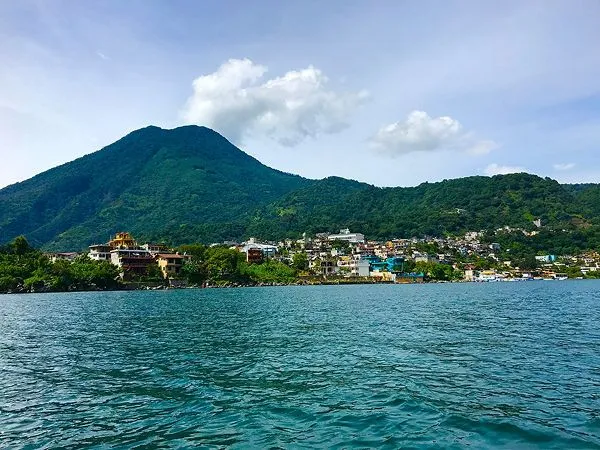
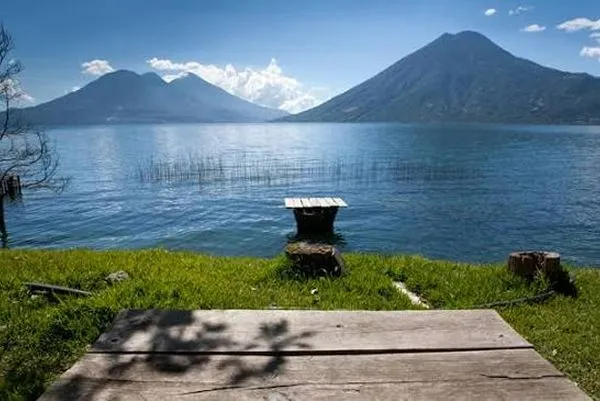
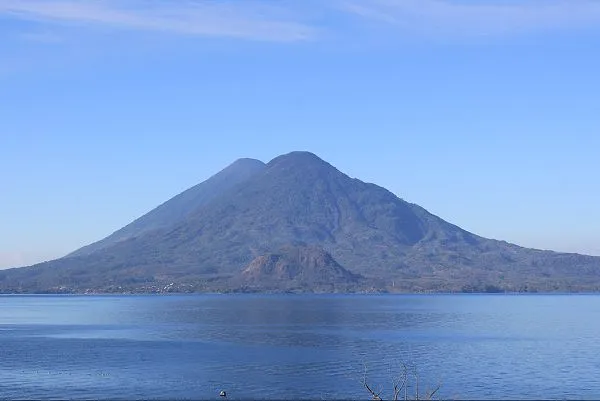
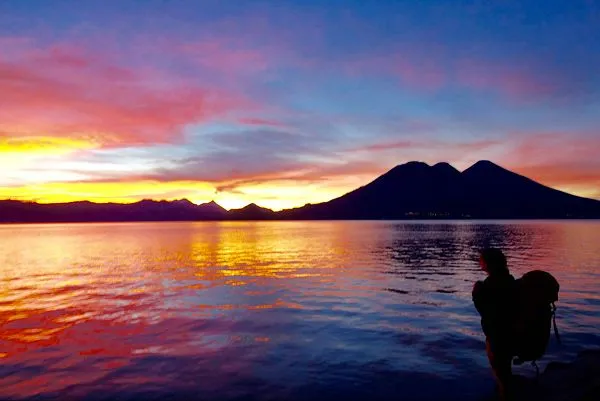
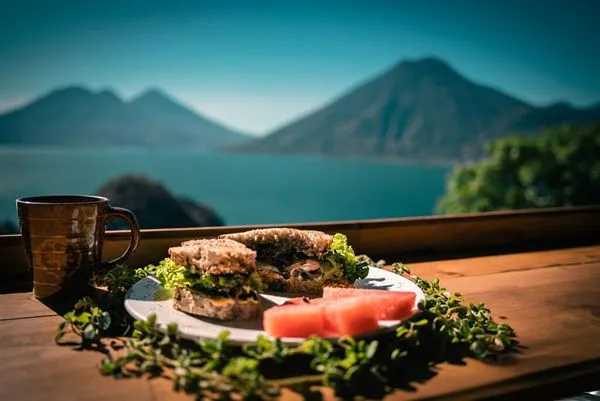
Lake Atitlán, Guatemala, is a beautiful lake surrounded by volcanoes. Its real appeal comes from a combination of different dramatic landscapes, traditional Maya communities, colorful villages, local foods, and outdoor adventure travel.
If you are visiting for the first time, don’t rush into anything. Instead of trying to cover everything in one day, choose a few villages, slow your pace, and talk to local people; expect the unexpected.
Lake Atitlan is famous for its volcanic scenery, three surrounding volcanoes, beautiful village life, and Maya cultural heritage.
Three to five days is a practical amount of time for the first visit. A five-day itinerary allows exploring several villages while leaving time for hiking, boating, and relaxation.
All villages are equally charming, but the best option depends on your preferences. Panajachel is conveniently located; San Pedro suits adventure and backpacking; San Marcos is best for wellness; and San Juan is famous for crafts and culture.
Swimming is possible in some areas, but it is dependent on the conditions. Check the weather and choose designated swimming areas rather than entering unfamiliar water.
Boats are an important form of transportation between many lakeside villages. You can also use road transportation, based on your destination.
Pack comfortable walking shoes, lightweight layers, a light jacket, sun protection, and rain protection. If you are hiking, add proper hiking footwear and adequate water.

A place for genuine insights and inspirations derived from Avantika Mohan’s solo travel experiences. Craft your own journeys around the world with the platform’s handy tips and useful resources. Welcome to Travenka, a connecting link between the prolific wanderer, Avantika, and all interested people across the globe.